
Over the past few years, AI-generated content has quietly evolved from a niche curiosity into a full-blown entertainment category. As tools for voice synthesis, motion capture, and generative video become more sophisticated, a new wave of online personalities has begun to dominate screens: AI-generated YouTubers. These virtual figures don’t sleep, don’t age, and never worry about burnout—yet they’re racking up subscribers, brand deals, and loyal fan bases at an astonishing pace. Their growing presence raises exciting possibilities as well as complex questions about authenticity, creativity, and the future of online celebrity culture.
A New Kind of Creator Emerges
AI-generated YouTubers represent a merging of animation, machine learning, and influencer culture. What makes them particularly compelling is that they feel familiar yet futuristic, blending polished scripting with algorithm-driven spontaneity. As their channels grow, many aspiring human creators look for ways to stay competitive. One way is to purchase quality YouTube subscribers to keep up with fast-growing virtual competition. The lines between real and synthetic entertainers blur further each year, and audiences appear more than willing to embrace the novelty.
The Technology Behind the Illusion
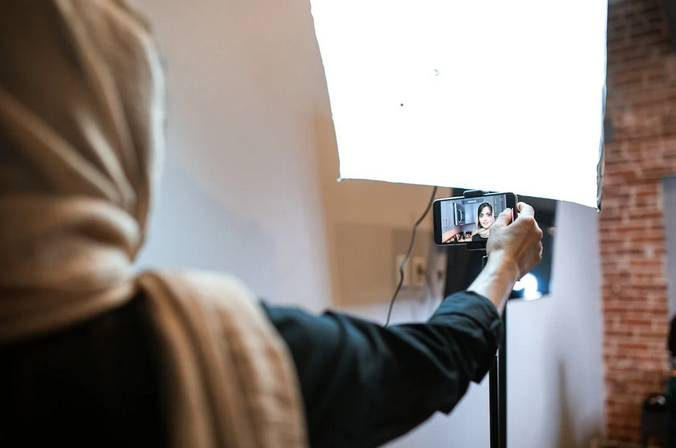
Behind every AI-generated YouTuber lies a sophisticated toolbox of neural networks, character design suites, animation pipelines, and voice synthesis models. These technologies can analyze thousands of hours of content to learn what audiences respond to most strongly. They script videos, generate facial expressions, and even simulate humor or empathy. As tools become more accessible, small teams—and sometimes solo creators—can build virtual influencers that once required studio-level budgets. The democratization of this technology could reshape the YouTube landscape in dramatic ways.
Why Viewers Are Drawn to Virtual Personalities
One of the biggest reasons synthetic celebrities are thriving is their consistency. While traditional creators may deal with stress, creative ruts, or life interruptions, AI-driven YouTubers can maintain a constant upload schedule. Their personas can also be optimized to align with trending topics, viewer emotions, or cultural moments in ways human creators simply can’t replicate. Many fans appreciate the escapism of following a personality who never gets embroiled in scandals, never behaves unpredictably, and always delivers content tailored to their preferences.
Ethical Questions Around Authenticity and Influence
With virtual celebrities rising in popularity, concerns about authenticity naturally follow. Audiences may know these YouTubers aren’t real, but parasocial relationships still form. Brands partnering with AI-driven creators must consider transparency, while platforms may soon need new guidelines around disclosure. Another key issue is the risk of misinformation, as synthetic personalities powered by large language models could inadvertently (or intentionally) spread inaccurate narratives. The entertainment value is undeniable, but so is the responsibility to ensure these virtual influencers maintain ethical boundaries.
How Human Creators Can Stay Relevant
Despite the growth of AI-generated YouTubers, human creators still have a significant advantage: relatability. Viewers connect deeply with personal stories, lived experiences, and genuine human emotion. Many creators are choosing to incorporate AI tools into their workflow rather than competing directly against virtual personalities. Others are leaning into their individuality—embracing imperfections, unique perspectives, and humor that can’t be easily replicated by algorithms. Instead of replacing humans, AI may ultimately push creators to evolve and specialize.
The rise of AI-generated YouTubers marks a pivotal moment in digital entertainment. These synthetic celebrities challenge our ideas of what it means to be a creator, redefining everything from content production to audience relationships. While they offer exciting opportunities for innovation, they also prompt important discussions about authenticity, ethics, and the future of online culture. As the line between human and virtual influencer continues to blur, the real question becomes: are we ready to embrace a new era of digital fame?…